

Reinforcement Fabric Supplier · India
Stitch Bond Glass Fabric India for Composite Industries | Quality Solutions by Shanti Multilink
Shanti Multilink supplies stitch bond glass fabric across India for FRP pultrusion and composite reinforcement work, supporting manufacturers who need consistent fabric weight and quality for repeat production.
The Basics
What Is Stitch Bond Glass Fabric?
Stitch bond glass fabric is a reinforcement material made by stitching layers of glass fibres together, rather than weaving them. This stitching holds the fibres in place while keeping them straighter and less crimped than a woven fabric, which is part of why manufacturers reach for it in structural composite work.
In FRP and composite manufacturing, the fabric is laid into a mould or fed through a process such as pultrusion, then combined with resin. The stitched construction helps the fabric hold its shape during handling and allows resin to pass through evenly, which supports a more stable, consistent laminate once it cures. As a stitch bond glass fabric supplier working across India, we see it specified most often where reinforcement strength and predictable performance matter more than the fabric being purely decorative
Reinforcement Solutions
Our Stitch Bond Glass Fabric Solutions
We supply stitched fibreglass reinforcement for a range of FRP and composite manufacturing needs, with fabric grades suited to different production processes.
01
Stitch Bond Glass Fabric
Used across general FRP manufacturing where a stable, evenly stitched reinforcement layer supports consistent part strength and easier handling during layup.
02
Fibreglass Stitch Bonded Fabric
Suited to composite manufacturing processes that need structural reinforcement, helping keep fibre orientation consistent from batch to batch and supporting product consistency.
03
Composite Reinforcement Fabric
Applied in composite production where finish quality and efficient processing both matter, giving a fabric base that resin can wet out evenly.
04
FRP Reinforcement Fabric
Used across FRP industries manufacturing strong, lightweight products, where the fabric needs to suit the specific load and finish requirement of the part.
Our Products
Stitched Fibreglass Fabric
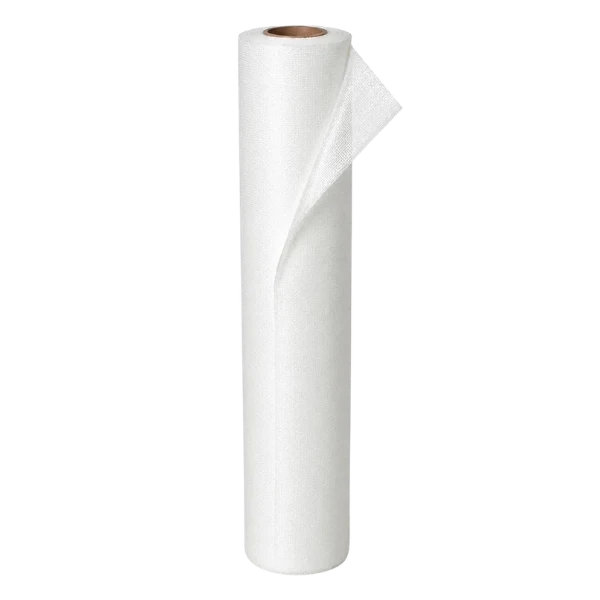
We supply stitched fibreglass fabric in roll form, available in different densities to suit different FRP pultrusion and reinforcement requirements.
A stitch bonded fibreglass reinforcement fabric supplied in roll form, sold by weight to suit different composite reinforcement requirements. Primarily used in FRP pultrusion, this stitch bond glass fabric is available in two standard densities to match different structural and processing needs.
Category
Reinforcement Fabrics
Applications
FRP Pultrusion
Form
Fabric (roll)
Available Grades / Specifications
Densities: 300 gsm & 450 gsm
Storage / Handling
Standard store rolls in a dry area, away from moisture and direct contamination.
As a stitch bond glass fabric supplier serving customers across India, we can help you match the right density 300 gsm or 450 gsm to your pultrusion or reinforcement requirement. Full specification details are available on request.
Why It’s Used
Benefits of Using Stitch Bond Glass Fabric
-
Improved composite reinforcement
The stitched fibre layer gives the laminate a more stable structural base.
-
Enhanced durability
A well-reinforced laminate tends to hold up better to everyday stresses over time.
-
Suitable for various FRP applications
Works across pultrusion and other FRP manufacturing processes with the right grade.
-
Support for efficient manufacturing
Fabric that handles predictably helps keep production runs moving without repeated adjustment.
-
Better structural strength
Straighter fibre orientation compared to woven fabric supports load-bearing performance.
-
Consistent material performance
Standardised gsm weights help keep reinforcement levels consistent across production runs.
-
Better resin compatibility
The stitched, open structure allows resin to wet out the fabric evenly.
Applications
Where Can Stitch Bond Glass Fabric Be Used?
Stitched fibreglass reinforcement fabric is used across a range of composite and FRP manufacturing settings in India.
Epoxy Resin
Epoxy resins have wide application range like Civil Construction,Electrical and Electronics, Composite,
LAPOX Epoxy Systems - By Chemical Category
- Bisphenol A Based Epoxy Resins
- Curing Agents – Phenalkamines
- Bisphenol F Based Epoxy Resins
- Curing Agents – Aromatic Amines : Modified
- Multifunctional Epoxy Resins
- Curing Agents – Aromatic Amines : Unmodified
- Cycloaliphatic Epoxy Resins
- Curing Agents – Linear Aliphatic Amines & Adducts
- Brominated Epoxy Resins
- Curing Agents – Cycloaliphatic Amines, their Adducts & Polyaminoamides
- Reactive Diluents
- Curing Agents – Formulated Anhydrides
LAPOX Epoxy Systems - By Application
How It Works
Our Stitch Bond Glass Fabric Selection Process
Choosing the right fabric weight and grade has a direct effect on how a laminate performs, which is why we treat selection as a proper step rather than a quick pick.
-
Application Requirement Assessment
We look at your product requirement, composite structure needs, and manufacturing process before suggesting a fabric.
-
Material Selection
Based on that assessment, we help select a suitable glass fabric specification such as 300 or 450 gsm for your application.
-
Fabric Application
We share guidance on proper handling and integration of the fabric with your resin system during layup or pultrusion.
-
Production Testing
Initial parts are checked for reinforcement quality, product consistency, and overall manufacturing performance.
-
Continuous Improvement
Fabric selection can be adjusted over time as your manufacturing requirements or product specifications change.
Selection Guide
Choosing the Right Stitch Bond Glass Fabric
There’s no single fabric that suits every composite job. The right choice usually depends on a few practical factors.
Composite application
A structural component and a lighter-duty part call for different reinforcement levels.
Fibre orientation requirement
Some applications need directional strength, which affects how the fabric should be laid.
Resin compatibility
The fabric needs to wet out properly with the resin system you're using.
Manufacturing process
Pultrusion and other FRP processes each place different handling demands on the fabric.
Required strength and finish
Heavier gsm fabric generally adds more reinforcement, but affects finish and processing too.
Production environment
Storage conditions and workshop handling both affect how consistently the fabric performs.
Matching these factors to the right stitch bond glass fabric helps improve manufacturing consistency and reduces rework caused by an unsuitable fabric weight or grade.
Why Shanti Multilink
Why Choose Shanti Multilink for Stitch Bond Glass Fabric Solutions?
- We start by understanding what you're manufacturing the product, the composite structure, and the process before recommending a fabric grade, rather than offering the same roll for every order.
- As a stitch bond glass fabric supplier, our focus is on helping you select a suitable density, whether that's 300 gsm or 450 gsm, and offering guidance on handling so the fabric performs as expected in your layup or pultrusion line.
- We pay attention to product quality and are happy to adjust our recommendations as your manufacturing requirements change, whether that's a new product line or a shift in production volume.
- We serve industrial requirements across Ahmedabad, Gujarat, and Rajasthan, and supply stitch bond glass fabric to customers across India, with clear communication from initial enquiry through to product supply.
FAQs
Frequently Asked Questions
Stitch bond glass fabric is used as a reinforcement layer in FRP and composite manufacturing, most commonly in pultrusion, where it adds structural strength to the finished laminate.
Because the fibres are stitched rather than woven, they stay straighter, which supports better load-bearing performance and more predictable results across a production run.
Yes, though the right density matters. Lighter gsm fabric suits some applications, while heavier gsm fabric is better suited to more demanding structural requirements.
It depends on your product’s strength requirement, the manufacturing process, and how the fabric needs to interact with your resin system. Sharing these details helps us recommend a suitable grade.
Fabric weight, storage conditions, handling during layup, and resin compatibility all play a role in how well the fabric performs in the finished part.
Yes. It’s widely used across FRP and industrial composite manufacturing, particularly in pultrusion, where consistent reinforcement is needed along continuous production runs.
Contact us with details about your product, process, and required strength. As a stitch bond glass fabric supplier serving India, we can suggest a suitable density and share further specification details.
Get the Right Stitch Bond Glass Fabric Solution for Your Manufacturing Needs
Share your product requirement, process, and preferred density, and we’ll help you work out a suitable stitch bond glass fabric, along with product details and a quotation.